
Last updated on
17 April 2026
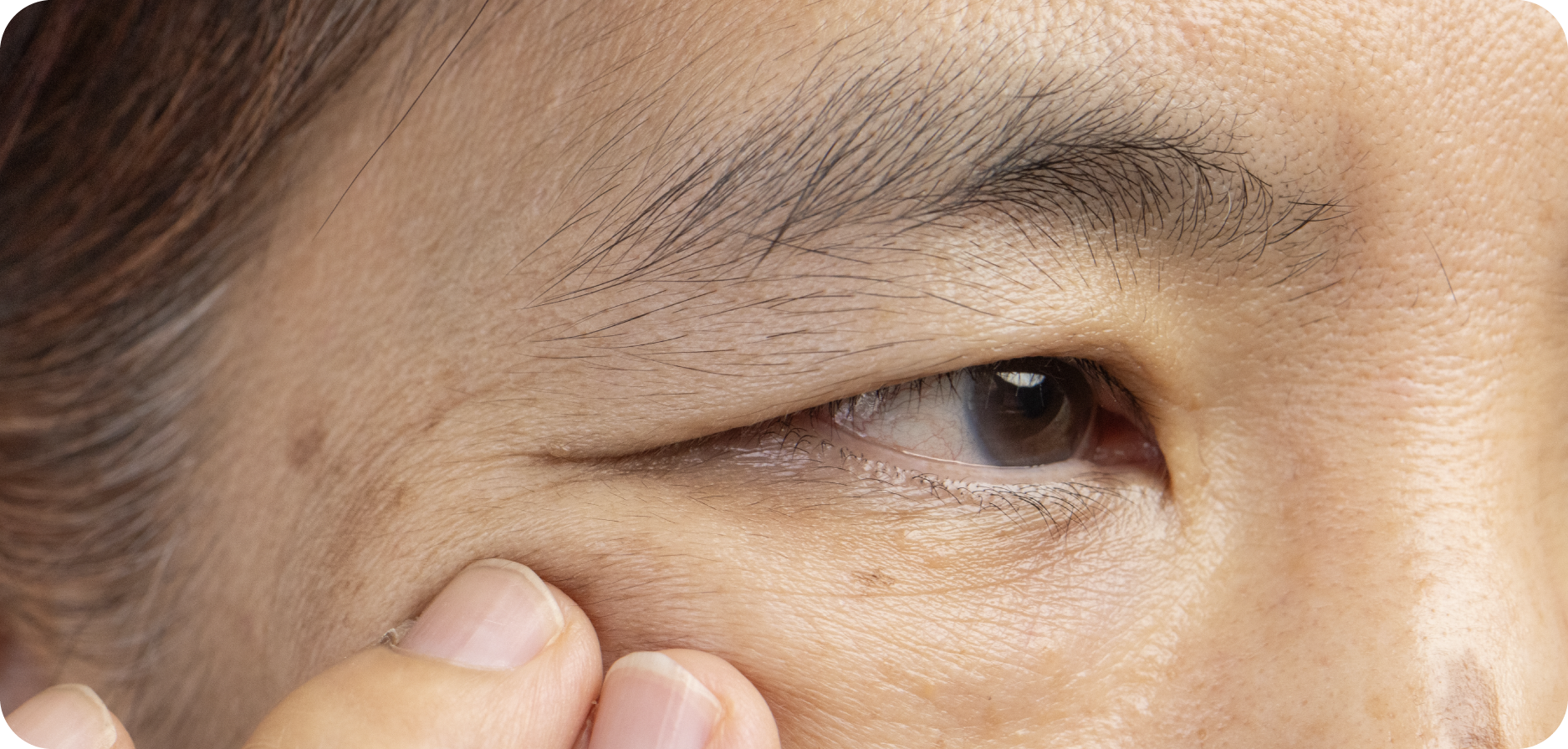
Approximately 3% of Singaporeans over age 40 have glaucoma, and the prevalence increases with age.
One of the key challenges in managing glaucoma is that it often progresses without noticeable symptoms. There are usually no obvious warning signs in the early stages, which means it is frequently diagnosed only after significant damage has occurred.
By the time symptoms become obvious, the disease may already have caused irreversible damage. Understanding both the obvious and subtle signs of glaucoma is therefore crucial, as it can help you seek medical attention promptly.
Glaucoma is a progressive eye disease that leads to damage or deterioration of the optic nerve over time. This optic nerve carries visual information from the eyes to the brain.
Glaucoma is often associated with increased intraocular pressure (IOP). When IOP is elevated, it can contribute to damage of the optic nerve.
Elevated IOP causes structural damage to the optic nerve. Over time, this damage can lead to permanent vision loss.
Glaucoma can affect anyone, but it is more common in older adults, particularly after age 40. Many people expect clear high eye pressure symptoms, but early glaucoma often progresses without noticeable warning signs.
Optic nerve damage develops gradually, so there are no abrupt changes in vision in most cases. Early vision loss typically affects peripheral (side) vision, which is less noticeable in day-to-day tasks than central vision loss.
Additionally, elevated eye pressure does not usually cause pain or redness, particularly in chronic forms of glaucoma. This is why it is important to get professional eye screening done regularly for early detection of the problem.

Below are some of the more common early signs of glaucoma that people often fail to notice:

In general, eye doctors recommend seeing a specialist if they are past the age of 40. Other things to look out for are the following:
Note that in general, sudden changes to your vision should merit a visit to the eye doctor. Even when the cause is not glaucoma, many other eye problems may be linked to such abrupt symptoms. Some are emergent and will require prompt treatment.

As with many other conditions, the best outcomes for glaucoma treatment are generally associated with early detection and treatment.
This is understandable given that glaucoma causes progressive damage, much of which is irreversible once it has happened. Early treatment therefore prevents more damage from happening.
If glaucoma is left untreated, several risks are possible:
If you believe you have experienced any of the symptoms explained in this article, it may be wise to see an ophthalmologist as soon as possible.
At ERS Suntec City, we provide comprehensive glaucoma assessments, including eye pressure testing, optic nerve evaluation, and OCT imaging to detect early damage. From there, we can evaluate your case to determine how best to treat your condition.
Reach out to us today and book an appointment with our eye doctors, whether for glaucoma or another eye condition.