Last updated on
17 March 2026
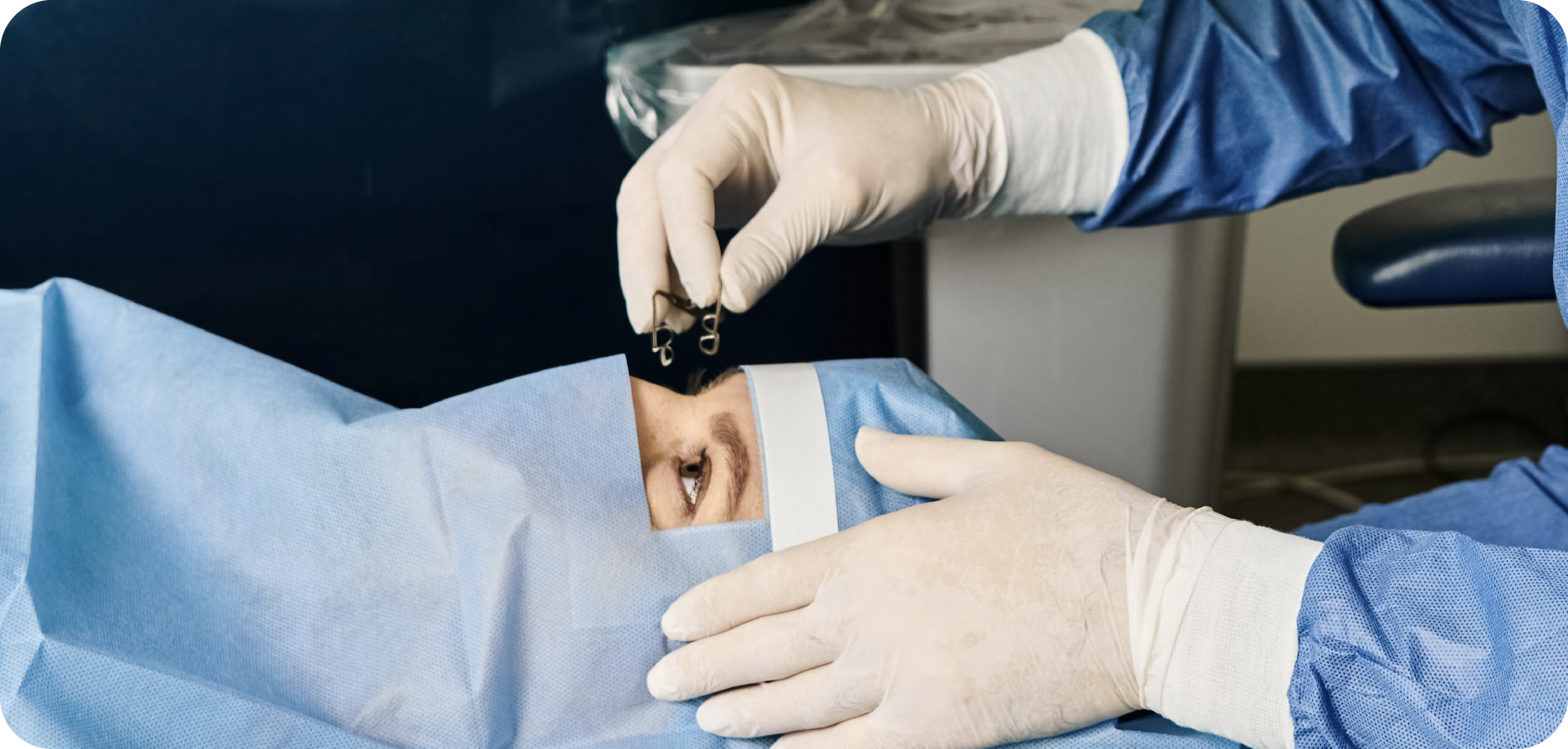
Ptosis is a condition where the upper eyelid droops, which may affect appearance, field of vision, or eyelid function. It can happen as we age or in children who may be born with weaker muscles.
Ptosis correction is an established surgical option that aims to improve eyelid position and function by adjusting the muscles responsible for lifting the eyelid.
In this article, we explain what ptosis surgery involves and what else you may need to know if you are considering this procedure.
Ptosis correction aims to tighten and reattach eyelid muscles to improve how the eyelid is lifted. It aims to address eyelid drooping and improve eyelid position.
The specific approach used is dependent on the type of ptosis involved and the strength of the eyelid levator muscle (levator palpebrae superioris). This is the muscle that lifts or retracts the eyelid.
Surgical techniques and recommendations vary depending on individual anatomy, severity of ptosis, and clinical findings. A proper evaluation by an eye doctor will determine which approach is most suitable.

Getting ptosis surgery requires certain steps. These include an examination of the affected eyelid, testing, and surgery preparation, as detailed below.
The evaluation often involves checking the levator muscle function (strength of eyelid lift) and assessing the brow’s position. The latter is because brow compensation may mask ptosis.
The doctor will also typically measure the margin height of the eyelid, its crease position, and the degree of droop. Doctors also evaluate eye surface health, as it may help them select the best approach for minimising side effects like post-op dry eye.
Doctors may also perform visual field testing to find functional impairment caused by the condition.
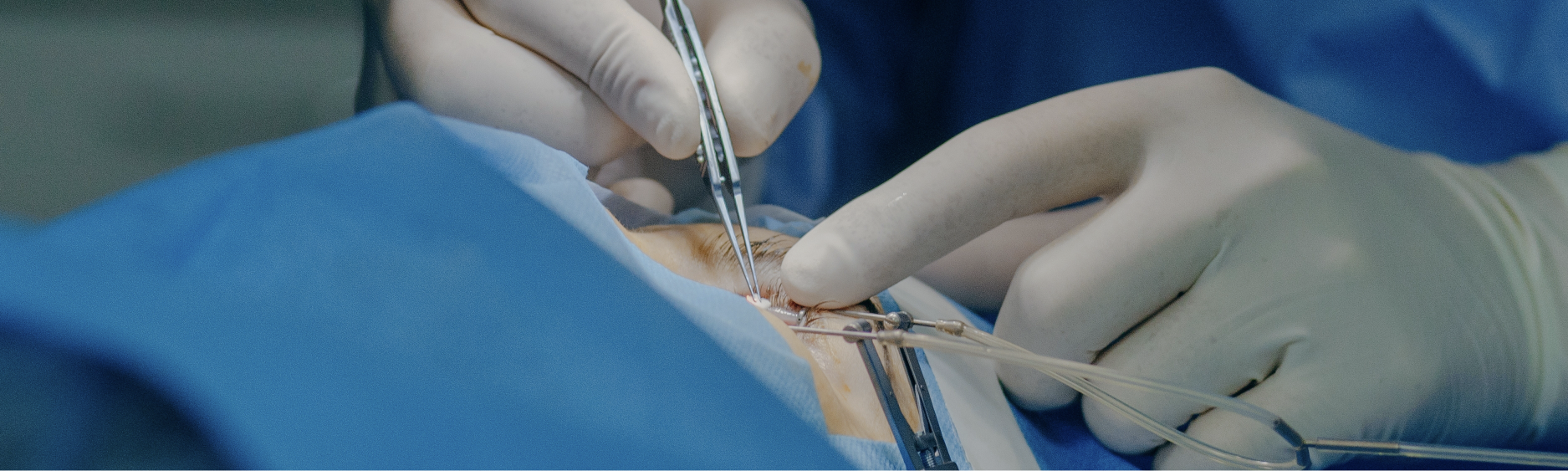
Ptosis surgery is usually performed under local anaesthesia with or without sedation, depending on the patient’s comfort and the surgeon’s recommendation.
An incision is created along the natural eyelid crease to access the levator muscle. From there, the type of approach selected will depend on the severity of the ptosis and the strength of the levator muscle.
Ptosis correction in patients with congenital ptosis is quite different and may require a sling material that is either harvested from the leg of the patient, using preserved tissue or man-made materials in order to lift the eyelid.
This procedure usually takes about 1 to 2 hours per eyelid, depending on the surgical approach and individual case.
Mild discomfort, swelling, bruising and tearing are common. Patients may feel a gritty sensation due to mild incision irritation.
Temporary blurred vision is normal due to swelling or post-operative ointments. Cold compresses can be applied as instructed to reduce swelling.
It’s also advised to sleep with your head elevated and avoid bending over, touching the area, or performing strenuous activity.
Swelling may peak around day 2 to 3 before gradually improving. While the eyelid is swollen, the eyelid heights may appear uneven.
Bruising generally fades within 7 to 10 days. Non-absorbable sutures may be removed within this period by the doctor.
Patients should continue to avoid touching the area, applying eye makeup or lenses, or lingering in environments with dust or smoke.
Some individuals may feel comfortable returning to desk-based work within several days of surgery, depending on recovery.
Swelling and bruising should go down notably. Eyelid contours and crease lines may be more defined at this point, although some residual dryness or tightness may persist.
Light physical activity may be resumed by most patients, but it depends on their doctors’ assessments. Reading and screen time should still be controlled to avoid eye fatigue.
Eyelid position becomes more stable at this point. External swelling should be mostly gone, but internal healing continues.
Asymmetry or mild unevenness may still be present temporarily but often improves with time. Ocular surface dryness, if present, usually improves as well.
Final eyelid height settles during this period. The scar tissue softens gradually, aiding more natural eyelid movement.
Long-term follow-ups can help assess stability, ocular health, and muscle function.

Ptosis surgery may have several side effects during the recovery period. Here are some of the typical ones:
While the side effects or symptoms described above are fairly common after ptosis correction, some may be signs of a complication.
The symptoms below are ones that merit assessment by a doctor as soon as possible:
The following factors may affect the speed or progress of recovery after ptosis correction surgery:

While each case is unique, there are some generally recommended tips that may help support the healing process after ptosis surgery.
Ptosis surgery may be an option for individuals with ptosis or a drooping eyelid, and a consultation with an eye doctor can help determine whether ptosis correction is appropriate.
Book an appointment with us at ERS Suntec City – we can schedule you for a ptosis evaluation and personalised consultation.