
Last updated on
21 November 2025
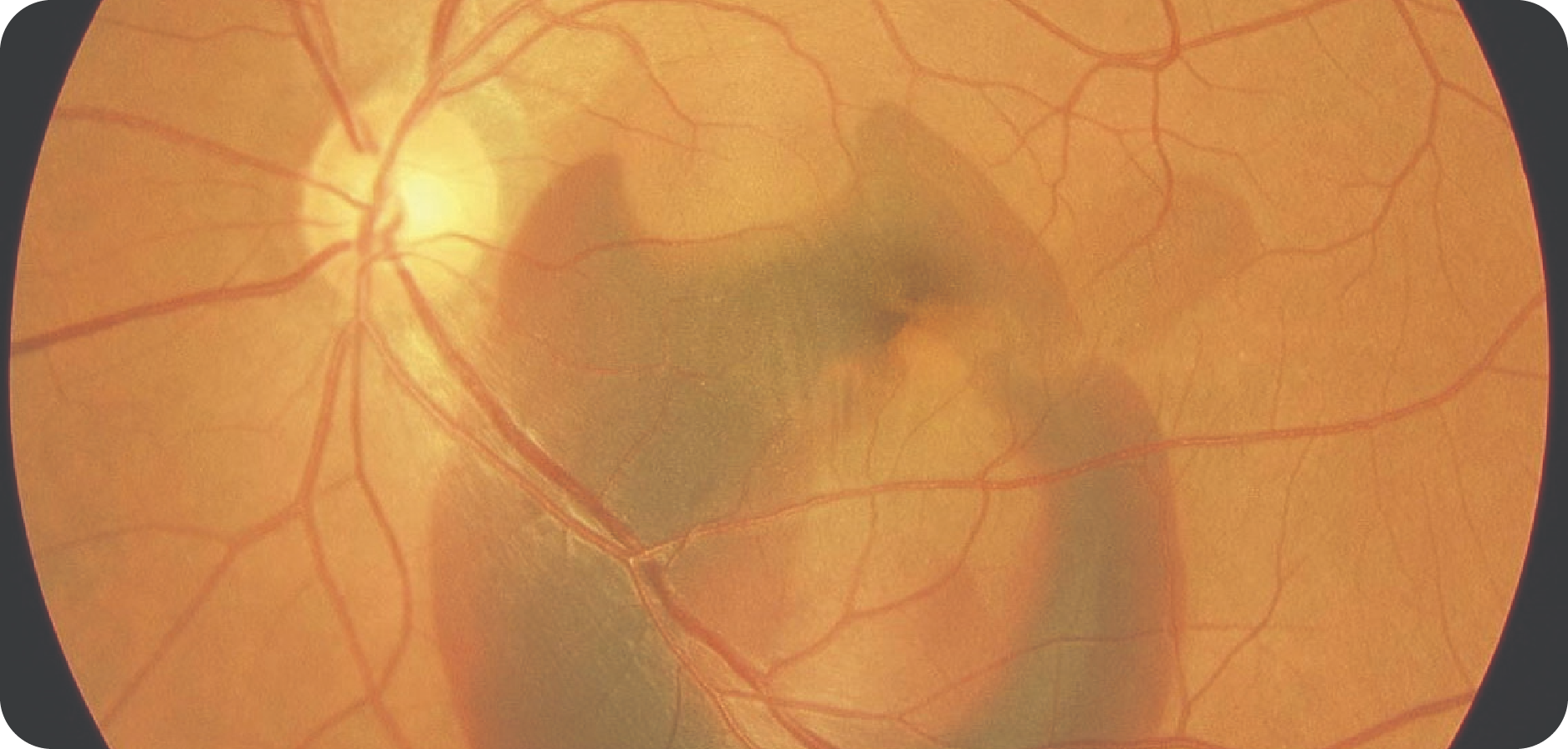
Polypoidal choroidal vasculopathy, or PCV, is a serious eye condition that can lead to permanent vision loss if left untreated. This condition affects the retina and can be mistaken for age-related macular degeneration (AMD).
Accurate diagnosis is necessary for appropriate treatment, which means identifying PCV is vital in addressing it before it causes irreversible damage. This guide offers key information for understanding what it is, what causes it, and more.
Polypoidal choroidal vasculopathy, also known as PCV, is the abnormal growth of fragile blood vessels beneath the retina. It gets the term “polypoidal” from the fragile vessels forming grape-like clusters that are called polyps.
The abnormal vessels involved in this condition tend to leak fluid or blood due to their fragility. The leaked fluids can eventually damage the central part of the retina, which is called the macula. The result is impaired central vision.
Due to this, PCV is categorised as a subtype of “wet” macular degeneration. However, it has unique features that set it apart as a distinct clinical entity.
If untreated, PCV can lead to recurrent bleeding, permanent scarring, and even irreversible central vision loss.

The precise cause of PCV is not yet known. However, a combination of factors is believed to contribute to the disease’s development:
It is also worth noting that the condition is significantly more common among East and Southeast Asian populations than Western ones. Research from the Singapore National Eye Centre (SNEC) has shown a high incidence of PCV locally, with studies indicating that up to half of the patients diagnosed with age-related macular degeneration may actually have PCV.

Knowing the symptoms of PCV can help people take action faster and get a better chance of optimal outcomes if they catch the condition in its early stages.
The most common signs to look out for are the following:
Because many of these symptoms are similar to those experienced by people with other types of AMD, a specialist eye examination is necessary for accurate diagnosis. A medley of vision tests or imaging techniques may be used.
For example, an Amsler grid test may be employed to test whether or not the patient sees straight lines properly. Meanwhile, indocyanine green angiography or ICGA may be used to confirm the presence of the defining polyps in the eyes.
With such techniques, an eye doctor can help you determine if you have PCV as well as how to address it as soon as possible.

Several key risk factors have been linked to PCV. Having one or more of these may signify a need to more closely monitor one’s vision and look out for possible symptoms.
For people who fall into any of the risk categories listed above, regular and comprehensive eye check-ups are crucial. These can help detect PCV before it begins to have serious effects, which may lead to more effective management and a better prognosis.
If you or a loved one suspects the presence of PCV, seek specialist medical advice promptly. This may be the best way to preserve as much of your sight as possible.
Our clinic may be able to help you get started. Book a consultation with our specialists if you have any symptoms, visual changes, or fall into the high-risk groups detailed above.