
Last updated on
24 March 2026
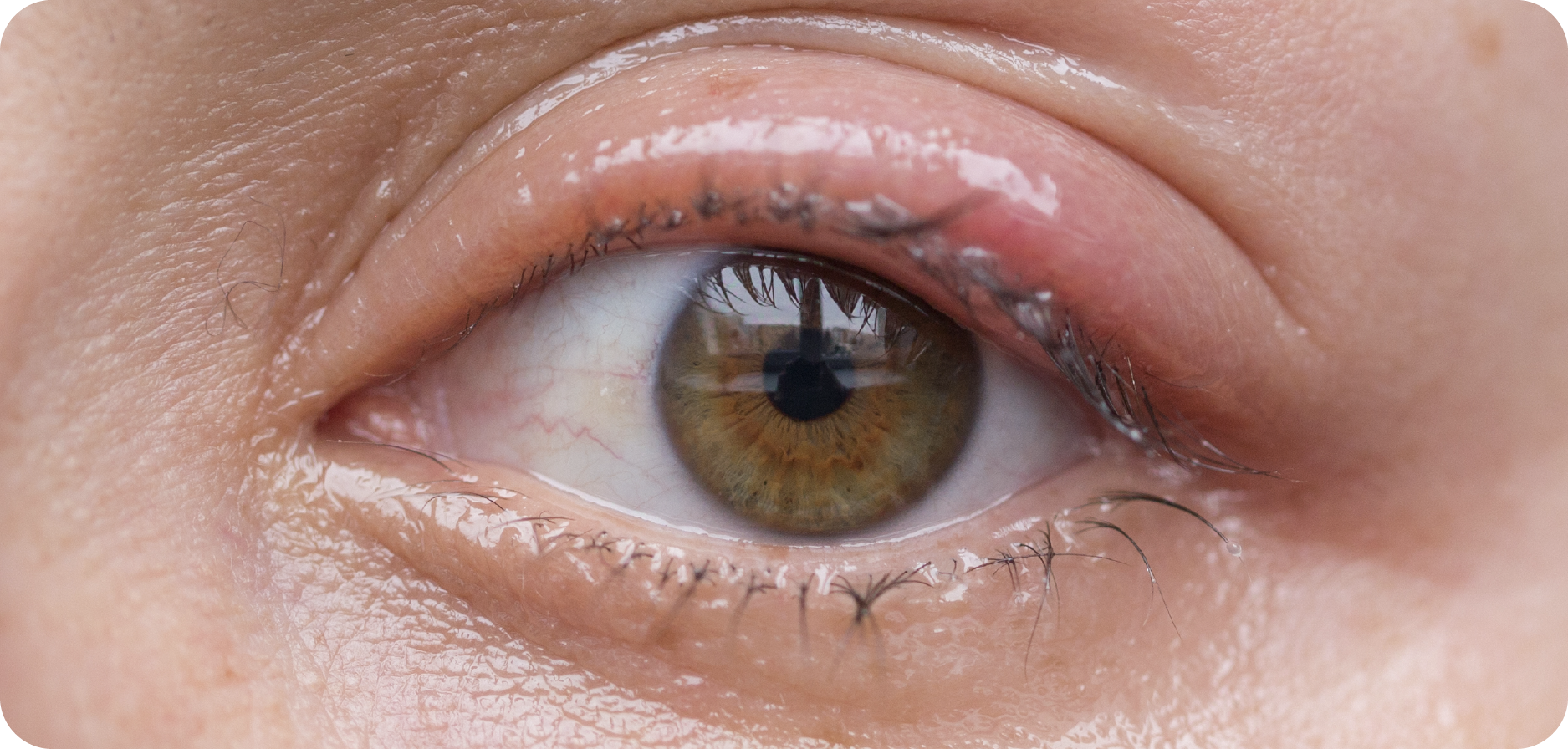
Blepharitis is a chronic inflammatory condition affecting the eyelid margins. It often appears with irritation, redness, or crusting around the lashes.
Blepharitis is typically caused by underlying issues such as bacterial growth, oil gland dysfunction, or skin conditions. This guide explains the possible causes of the condition, its symptoms, and the options for blepharitis treatment.
Blepharitis refers to inflammation of the eyelid margins and can affect both the anterior (lash line) and posterior (inner eyelid) structures.
Blepharitis is commonly categorised into two main types:
1. Anterior Blepharitis
Occurs at the base of the eyelashes and is commonly associated with bacterial buildup or scalp dandruff (seborrheic dermatitis). It can lead to visible crusts or dandruff-like flakes along the lash line.
2. Posterior Blepharitis
Involves the Meibomian glands, which can produce oils that stabilise the tears. Meibomian Gland Dysfunction or MGD often leads to thicker, irregular oil secretions or gland blockage. This can lead to tear film instability, irritation, and dryness, and is a key driver of posterior blepharitis.
Patients may present with features of both forms, making blepharitis a complex condition to manage and requiring proper evaluation. Blepharitis tends to recur and is often a chronic condition. As such, patients often require a long-term maintenance plan instead of just short-term eyelid treatment.
Blepharitis occurs when the eyelid margins become inflamed due to issues affecting the oil glands, lash follicles, the skin surface, or the microbial balance around the eye. These disruptions can lead to irritation, eyelid debris, and fluctuations in tear film stability.
Several factors may contribute to blepharitis, and these often differ between anterior and posterior forms.

Anterior blepharitis affects the outer edge of the eyelid, where the eyelashes grow. This is often caused by the following:
Posterior blepharitis involves the Meibomian glands located along the inner eyelid. These glands produce oils that prevent tears from evaporating too quickly.
When issues arise with these glands, the result may be posterior blepharitis. Here are some of the common triggers or causes of the condition:

Besides skin conditions such as rosacea or dandruff, several factors may increase the likelihood of developing persistent or recurrent blepharitis.
Note that these are not direct causes of the condition, even if they can increase the risk for it:
Blepharitis may develop gradually and vary in severity. It can also fluctuate throughout the day and tends to worsen in the morning. The latter is due to oil stagnation along the eyelid margins during the night.
Below are the common symptoms of blepharitis. Note that these are not conclusive for diagnosis, as a medical professional still needs to perform an evaluation to confirm it. These symptoms may also persist until the underlying inflammation is addressed.
1. Eyelid redness and swelling
The eyelid margins appear inflamed or thickened. Redness is often more visible along the lash line, where irritation occurs.
2. Crusting and flakes on eyelashes
Hardened debris or oily flakes may adhere to lashes, particularly upon waking. Patients often describe “eyelid dandruff” from this.
3. Grittiness, burning or foreign body sensation
Patients frequently feel like there is sand or dust in their eyes. This is related to disturbances in tear film quality and eyelid inflammation.
4. Watery eyes or excessive tearing
Dry eye and blepharitis can cause reflex tearing. The eyes produce more watery tears when the tear film becomes unstable.
5. Dryness and fluctuating vision
Tear evaporation increases when oil glands are not functioning well. This can cause temporary blurred vision that improves with blinking.
6. Light sensitivity
Inflamed or dry ocular surfaces can increase sensitivity to light.
7. Recurrent styes or chalazia
Persistent inflammation may obstruct oil glands, leading to tender bumps or firm nodules, such as styes and chalazia.
Your eye doctor may perform several assessments to diagnose blepharitis. Below are some of the possibilities:
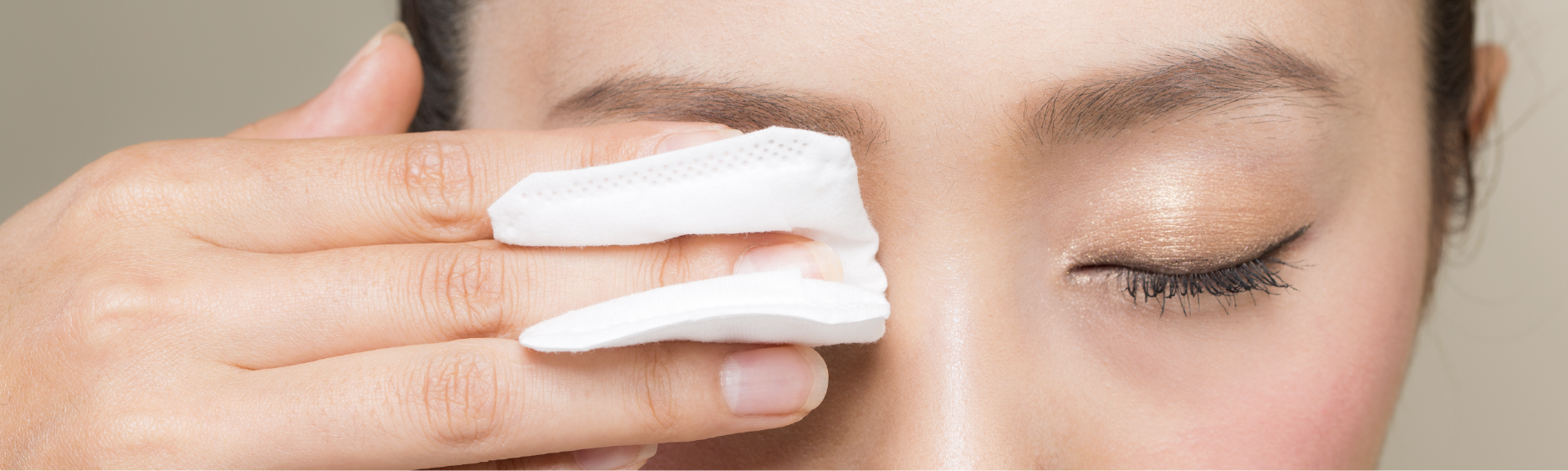
Blepharitis is often a chronic and recurrent condition and treatment is usually aimed at improving the symptoms through structured treatment and long-term care.
Eyelid hygiene remains the primary management strategy for the condition. It may involve gentle cleansing of the eyelid margins with medical-grade wipes, diluted lid-cleaning solutions, and doctor-recommended products.
The goal is to remove bacteria, crusts, and excess oils that may contribute to inflammation. Most patients notice symptom improvement only after sustained daily care with these techniques.
Another important form of treatment involves warm compresses once or twice daily, especially during flare-ups.
The compresses are intended to help soften hardened oils in the Meibomian glands. This encourages better oil flow and can reduce blockages.
When symptoms persist despite hygiene maintenance, a doctor may recommend medication. The treatment is generally tailored to suit the severity of the condition and its underlying causes.

Because blepharitis is chronic, long-term care is essential for stability. Effective strategies may include these:
With consistent care, many patients are able to reduce both the intensity and frequency of symptoms over time.
Patients should contact their doctor immediately if they experience any of the following:
Prompt evaluation helps prevent complications and ensures appropriate care in such situations.
Blepharitis is a long-term eyelid condition that can cause significant discomfort if it is not managed appropriately. With proper diagnosis, structured eyelid treatment, and consistent daily care, many individuals experience significant symptom relief and improved comfort.
ERS Suntec City provides comprehensive evaluation, personalised treatment planning and ongoing care for patients managing blepharitis. Book a consultation with our doctors to understand your symptoms and receive guidance tailored to your needs.