
Last updated on
16 April 2026
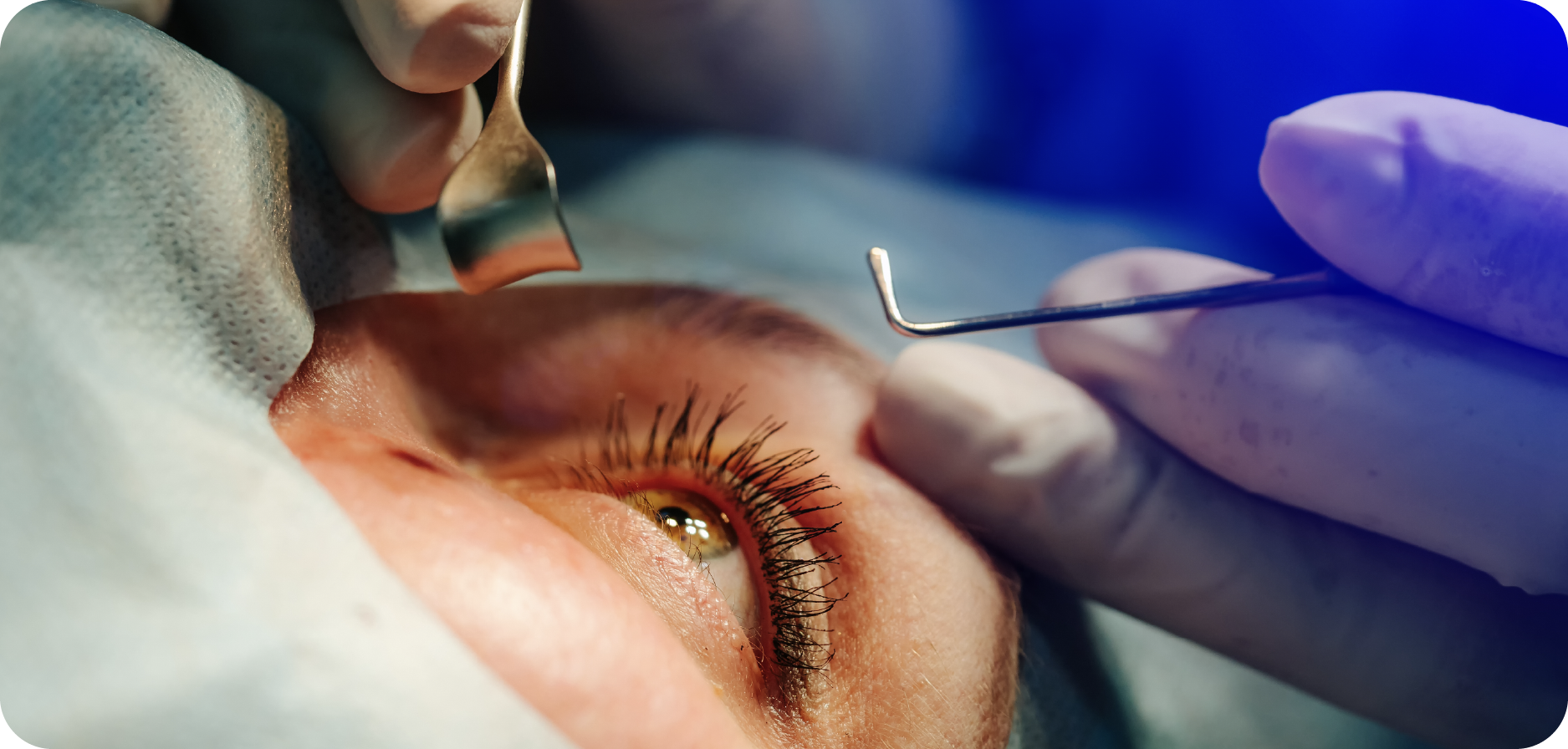
LASIK is a procedure for correcting common refractive errors such as myopia, hyperopia, and astigmatism. It is minimally invasive, which often leads to faster healing times compared to more invasive procedures.
The LASIK recovery period plays a vital role in determining the success of the surgery and the stability of visual outcomes. If you want to know what to expect after LASIK, we explain the typical recovery period in this article.
The LASIK recovery period refers to the time it takes for the cornea to heal and for vision to stabilise after laser reshaping.
Although many patients experience clearer vision within 24 to 48 hours of LASIK, complete healing occurs gradually over several weeks to months.
Common early side effects such as mild dryness, halos, glare, and fluctuating clarity are typical during early recovery.
During this period, proper aftercare can help reduce discomfort and ensure smoother healing. This may include eye protection, lubricating drops, and avoiding eye rubbing.

During the first 24 hours after surgery, patients may experience a variety of temporary side effects or sensations, such as:
Resting the eyes and keeping them closed as much as possible is recommended at this stage. Avoid reading, watching screens, or driving until vision clears.
A follow-up check is usually scheduled within 24 hours to assess healing and ensure there are no complications during this period.
Vision typically improves significantly within the first few days after LASIK, but some fluctuations are expected.
Eyes may feel dry or tired due to temporary changes in corneal nerve function following the procedure. Prescribed antibiotics and lubricating drops can help reduce inflammation and dryness.
During this time, avoid anything that may introduce substances to the eye, such as swimming, saunas, eye makeup, or water splashing into the eyes.
Patients are also advised to wear protective sunglasses to reduce glare and prevent UV exposure. Note that most patients can return to the office or light tasks within 2-3 days of LASIK, provided they follow their doctor’s instructions.
One month after the procedure, the majority of patients notice stabilised vision suitable for driving and everyday activities.
Minor night glare, halos around lights, or intermittent dryness may still occur. In most cases, however, they subside gradually.
Patients are still encouraged to maintain hydration, use artificial tears, and avoid excessive screen time during this time. Patients should also avoid rubbing their eyes, using eye makeup and minimise exposure to dust and smoke.
A follow-up appointment is typically scheduled at the end of the first month to check visual progress.
By this stage, the eyes continue to heal internally, and corneal shape stabilisation is nearly complete. Visual fluctuations become less frequent, and overall clarity continues to sharpen throughout his period.
Some patients may still experience mild dryness or need occasional lubricating drops at this point. Those engaged in outdoor sports or contact activities should continue to use protective eyewear to avoid accidental eye trauma.
The LASIK surgery healing time is generally complete within 3 to 6 months for most patients. At this point, most patients enjoy fully stabilised vision with minimal side effects.
However, annual checkups are still recommended to maintain eye health and monitor for age-related changes like presbyopia.

During the healing period, you may experience a number of post-surgery symptoms. Below are common ones:
The recovery time after LASIK differs for every individual. While most patients see full recovery within 3 to 6 months, certain factors can shorten or lengthen this timeframe:
While no procedure has guaranteed results, there are some things patients can try to improve their chances of getting good outcomes.

Patients should contact their eye doctor immediately if they experience any of the following:
These symptoms may be indications of a complication, so patients should act quickly if experiencing them. Early medical intervention helps prevent complications like infection, inflammation, or flap displacement.
The LASIK recovery period is an essential part of achieving clear, lasting vision after surgery. While most patients notice significant improvements within the first few days, the complete recovery time after LASIK may extend over several months, depending on individual factors.
ERS Suntec City offers comprehensive LASIK care, from initial consultation and suitability assessment to post-surgery monitoring. Book a consultation with us today to learn more about your suitability for LASIK procedures.