Last updated on
27 January 2026
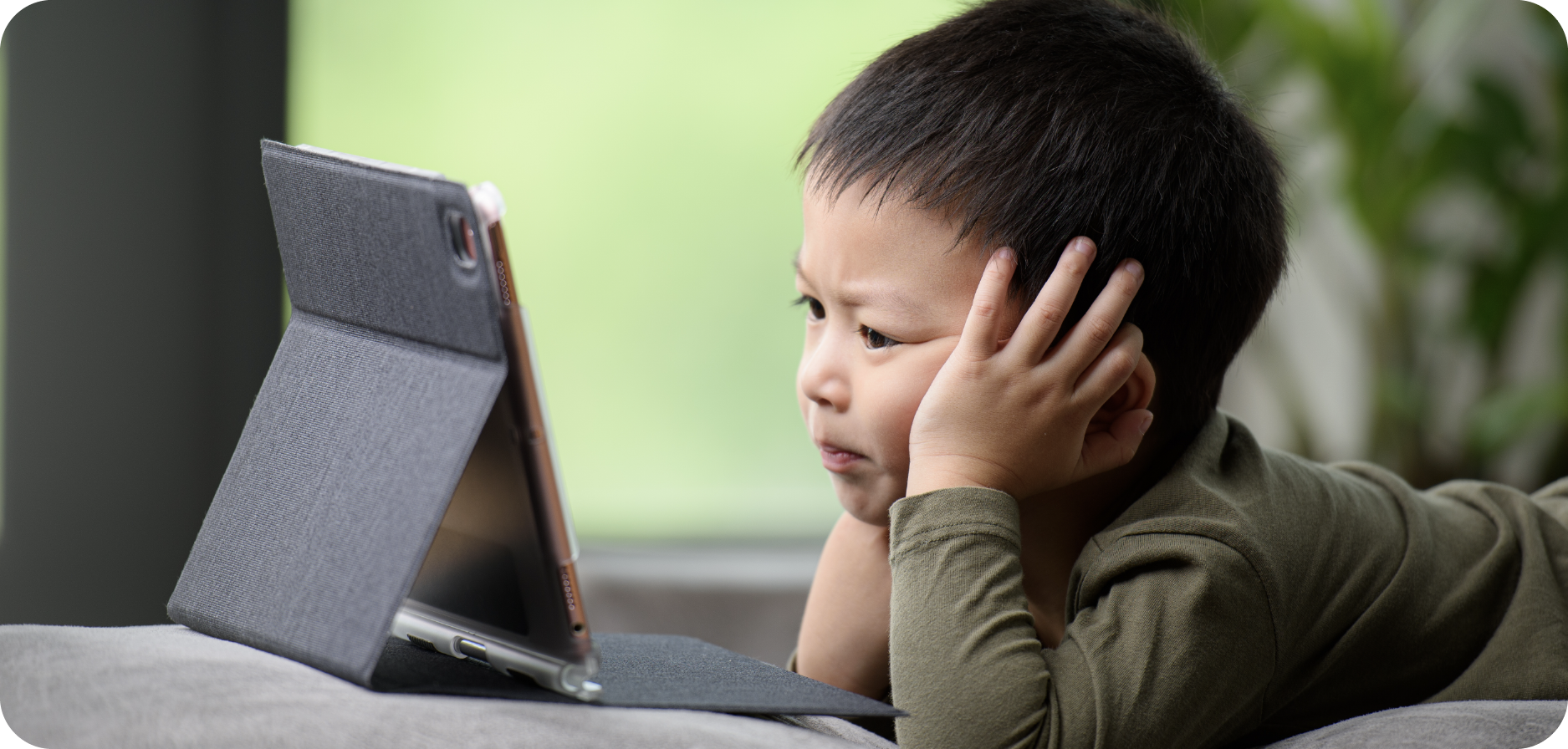
Childhood myopia is a significant public health concern in Singapore, where we have one of the highest prevalence rates globally. By age 12, 60% of children in Singapore are myopic.
Early onset of myopia is becoming increasingly common in our country. Unfortunately, a younger onset often correlates with faster progression into moderate or high myopia.
Higher degrees of myopia increase the lifetime risk of conditions such as retinal detachment and myopic macular degeneration. Hence, early management to reduce progression of myopia is vital.
Among the available interventions, special myopia control lens technology has become a crucial clinical tool in slowing the progression of short-sightedness in children.
This guide will help parents understand the options for myopia control in children, particularly the use of myopia control lenses. You will learn about myopia control lenses, how they work, and when they may be suitable for a child.
Childhood myopia is a refractive error where the eyeball elongates or the cornea curves excessively, causing light to focus in front of the retina.
When the eyeball lengthens, light focuses in front of the retina. This leads to distance vision becoming blurry.
The eye continues to grow rapidly until the late teenage years. This is why the early onset of this condition can lead to more rapid progression over time.
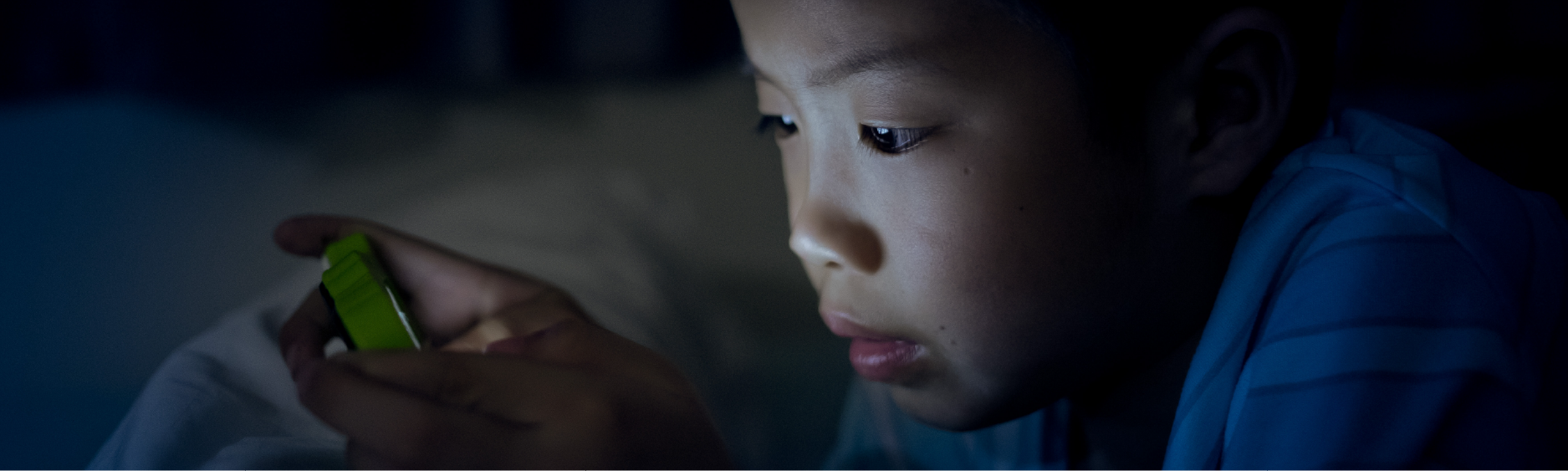
There are several common causes for childhood myopia’s progression:
Progression cannot be reversed once eye elongation occurs. As such, myopia control in children focuses on slowing the rate of myopia progression rather than eliminating it.
Again, early detection and management are ideal for optimal outcomes. With early management, further elongation can be significantly slowed or delayed.
Parents may not always realise when a child is developing myopia, as children often adapt to blurred vision without expressing discomfort.
The following signs may indicate that an eye examination is needed:
It's important to have a child checked early if a parent notices any changes that might indicate childhood myopia.
Childhood myopia is a progressive condition that has yet to receive a cure. Once eye elongation has occurred, it cannot be reversed.
Early adoption of myopia control strategies may help reduce the risk of progressing to high myopia, and as mentioned earlier, high myopia is associated with greater lifetime risks of retinal thinning and related complications.
Parents play a crucial role in detecting early signs, bringing children for scheduled screenings, and ensuring treatment compliance. This can lead to improved outcomes for a short-sighted child.

A myopia control lens is a spectacle or contact lens designed to provide clear central vision while influencing how light focuses on the peripheral retina.
Traditional single vision lenses correct clarity, but do not address progression. Myopia control lenses achieve this by using optical designs that help reduce the stimulus for eyeball elongation.
These lenses play a crucial role in childhood myopia management plans, alongside lifestyle guidance and monitoring.
In traditional lenses, central vision becomes clear, but the peripheral retina receives blurred images, which may lead the eye to continue elongating.
Myopia control lenses create controlled peripheral defocus that helps reduce this growth stimulus.
Peripheral defocus spectacle lenses are designed with a central clarity zone and peripheral treatment zones. They help distribute light in a manner that limits excessive axial elongation.
Myopia control spectacles are more suitable for younger children who may not be ready for contact lenses.
Parents can introduce lifestyle habits to children that play an important role in myopia control. Below are some common examples:
Below are other options for myopia control in children.

Assessments for childhood myopia may include refraction tests, general eye health evaluation, axial length measurement and retinal imaging.
The eye doctor will typically consider:
The doctor will also discuss expectations at this point. You and your child should be aware of what to expect in terms of adapting to the treatment and the follow up regime.
Note that no single method is suitable for every child – treatments should be individualised, and monitoring is vital. Children with rapid progression are commonly reviewed every 3-6 months, while those more stable are usually reviewed every 6-12 months.
Early action is essential in managing childhood myopia progression. Do not delay evaluation if you believe your child may be showing symptoms of the condition.
Patients can visit ERS Suntec City to get their assessments done and consult with our team of ophthalmologists. You may also book an appointment with us.