
Last updated on
19 December 2025
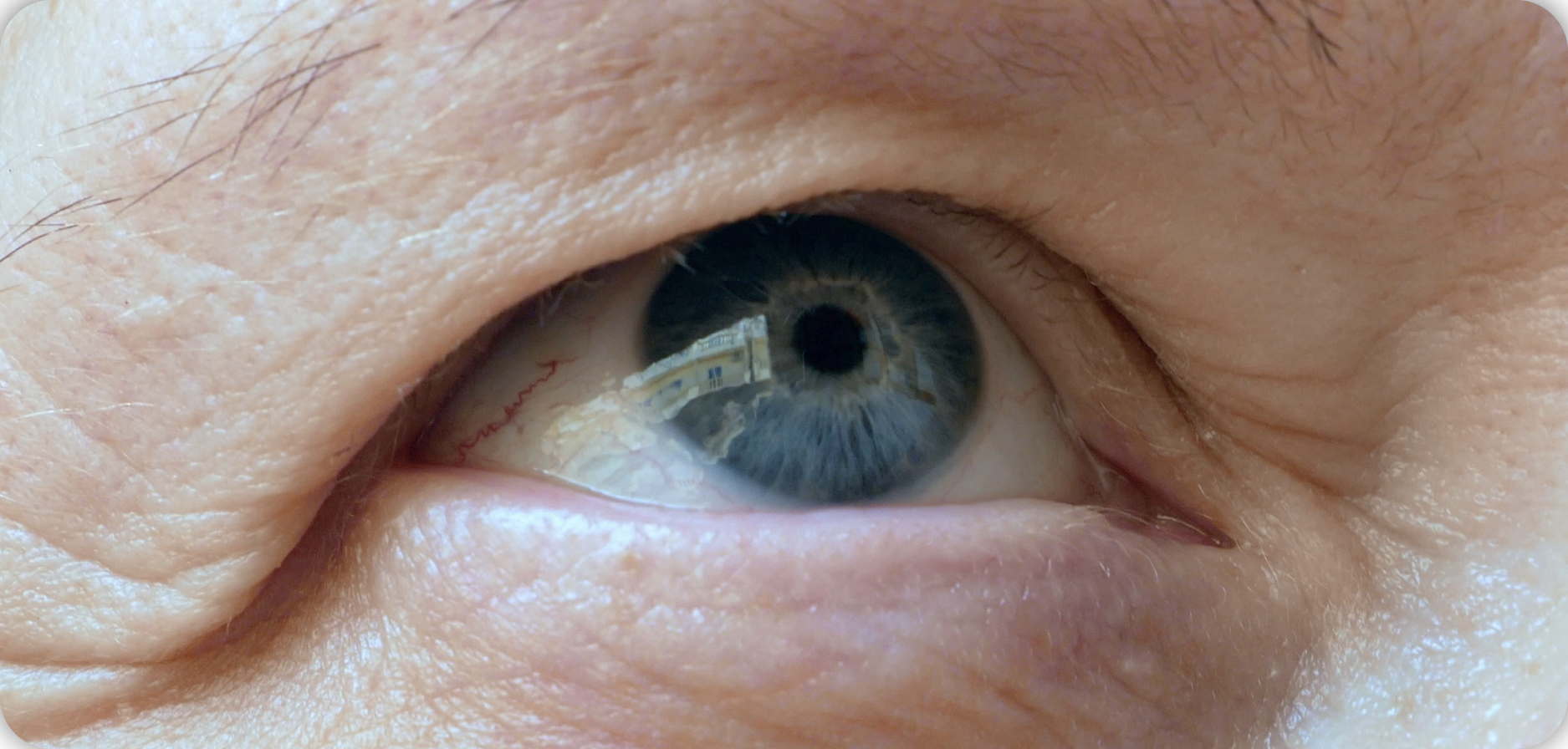
The eyelids are essential not only for protecting the eye from debris and dryness, but also for ensuring normal vision.
When the upper eyelid begins to droop, this condition is medically known as ptosis. It can cause both functional and cosmetic issues as it covers parts of the eye.
Many people assume droopy eyelids are part of ageing. However, ptosis can occur at any age. It may even be a sign of a muscle, nerve, or structural problem.
In this guide, we cover the causes, symptoms, and treatment options for ptosis. We will also show how ptosis surgery (droopy eyelid surgery) may help restore eyelid position and vision.
Ptosis refers to the drooping of one or both upper eyelids due to weakness, stretching or dysfunction of the muscles responsible for eyelid elevation.
The muscles affected are primarily the levator and Muller muscles. The condition may be congenital (present from birth) or acquired (developing over time).
The severity of ptosis varies.
Droopy eyelids can sometimes mimic or coexist with other eye conditions (e.g. dermatochalasis or excess eyelid skin), which a proper ophthalmic examination can differentiate.
Early assessment is crucial for determining whether ptosis is purely age-related or due to an underlying neurological or muscular cause. Depending on the cause, ptosis treatment may call for a surgical procedure.
Ptosis cases are often categorised by their causes, as seen below:
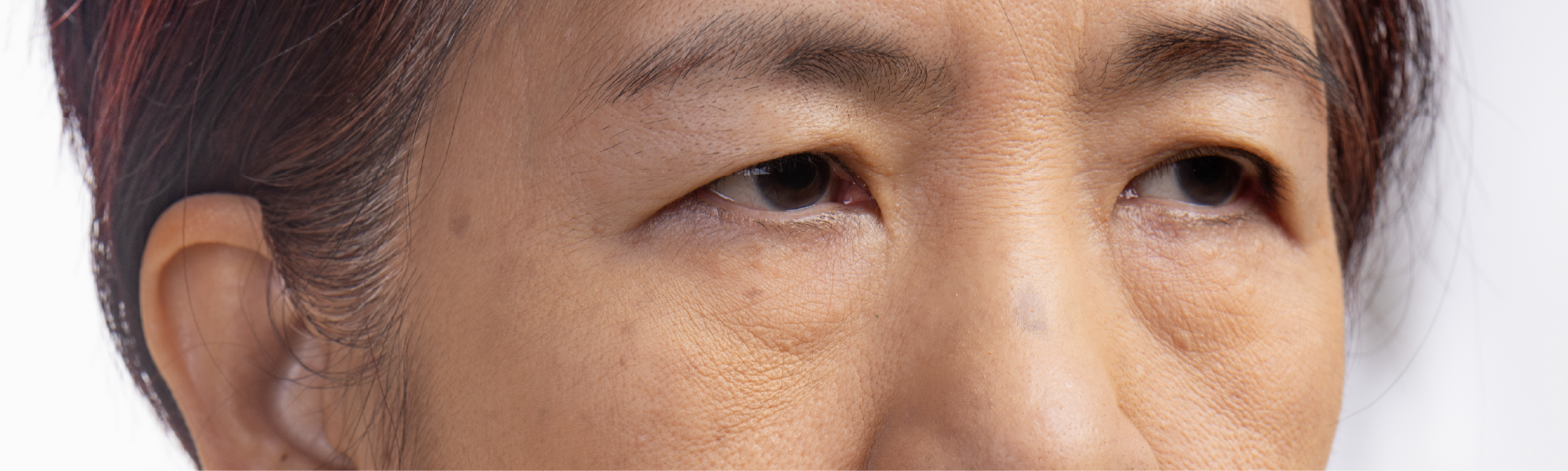
This is the most common among adults. It results from the stretching (or dehiscence) of the levator aponeurosis, the tissue that lifts the eyelid. It usually develops gradually and is associated with normal ageing or long-term contact lens usage.
This is a condition present from birth, where the levator muscle does not develop properly. It may cause the eyelid to cover the pupil, potentially leading to lazy eye (amblyopia) if untreated.
This arises from nerve disorders that affect the eyelid’s lifting mechanism, such as the third cranial nerve palsy or Horner’s syndrome. It may present suddenly and is sometimes linked to neurological or vascular conditions requiring further investigation.
This is due to diseases that directly affect muscle strength, such as myasthenia gravis or muscular dystrophy. The symptoms may fluctuate and often worsen with fatigue.
This type of ptosis occurs when the eyelid becomes heavy because of swelling, cysts, tumours, or excess tissue that physically weigh it down.
This type of ptosis follows an injury or previous eye surgery that may weaken or disrupt the levator muscle (or its nerve supply).
Each type of ptosis requires a different management approach. Identifying the underlying causes of eye ptosis can determine whether surgery or other medical treatment is most appropriate.

Ptosis can be either gradual or sudden, and both types warrant examination. Below are some common symptoms of ptosis:
While mild drooping may be primarily an aesthetic issue, moderate to severe ptosis can significantly interfere with sight. This means assessing visual function (not just appearance) is essential before deciding on management.
It is advised to seek medical evaluation if drooping affects vision, symmetry, or comfort. Note that sudden-onset ptosis, especially when associated with double vision or muscle weakness, may require urgent assessment to exclude neurological causes.
Ptosis treatment depends on the cause, severity, and impact on vision:

Mild cases that do not obstruct vision may only require periodic monitoring. The ophthalmologist may track progression and reassess if drooping worsens over time.
Temporary aids like eyelid crutches (attached to glasses) can help hold the eyelid open in patients unsuitable for surgery. Contributing factors like dry eyes or contact lens habits will need to be managed.
When drooping eyelids cause functional impairment, significant asymmetry, or visual obstruction, ptosis surgery may be called for. The goal is to tighten or reattach the levator muscle to elevate the eyelid to a normal position. The procedure type depends on the muscle strength and eyelid anatomy:
Surgery is often performed under local or general anaesthesia, depending on the patient’s condition. Results and recovery may differ between patients, as the underlying cause and degree of correction can vary by case.
Ptosis surgery recovery generally involves mild swelling or bruising around the eyes for the first few days.
Most patients can resume normal activities within one to two weeks, but complete healing may take longer. Postoperative care often includes:
Ptosis surgery outcomes are aimed at functional improvement, like restoring eyelid position and vision, while also achieving symmetry when possible. Improvement is the focus, as no surgeon may promise perfect results.
Early detection of ptosis allows ophthalmologists to identify the root cause of the condition before it progresses. This may lead to swift correction, which is often associated with better outcomes.
In adults, early correction prevents worsening vision obstruction and chronic eye strain. In children, prompt treatment is crucial to prevent amblyopia (lazy eye) and ensure proper visual development.
Delayed treatment can result in permanent visual field loss or the need for more complex surgery later. It is best not to dismiss drooping eyelids as purely cosmetic. Medical evaluation ensures the right approach is taken to address the issue if necessary.
If you’re concerned about your own droopy eyelid or a similar eye problem, seek assessment now rather than waiting until symptoms worsen. Book a consultation with ERS Suntec City’s ophthalmologists today for a comprehensive eye health assessment of your eyelid condition.