
Last updated on
19 March 2026
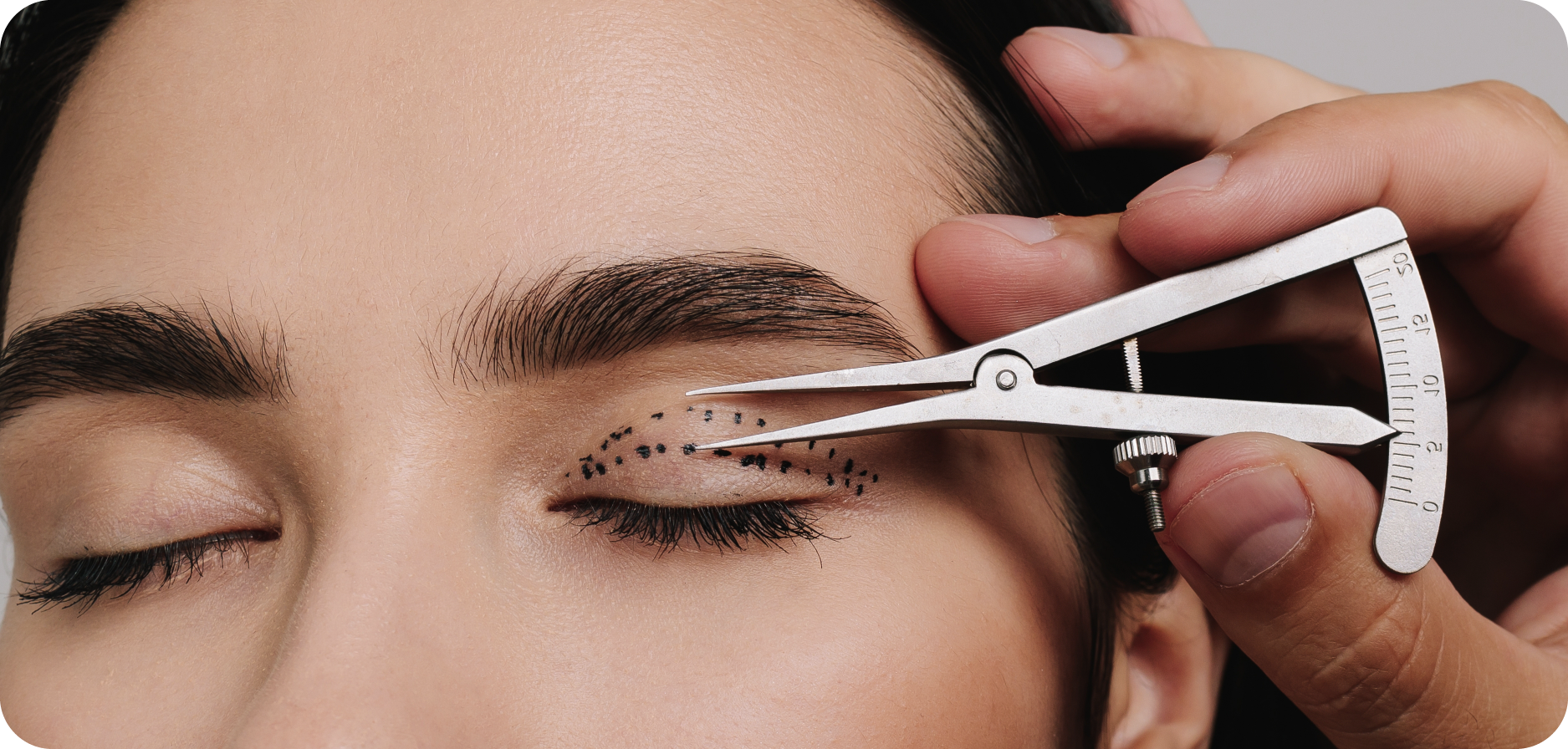
Blepharoplasty is a surgical procedure performed on the upper or lower eyelids. It may be undertaken for cosmetic reasons, or to correct eyelid drooping that interferes with vision or daily function.
Eyelid anatomy is delicate and plays an important role in eye protection, tear distribution, and visual function. Understanding the difference between cosmetic and functional eyelid correction surgery helps patients set realistic expectations and choose the right treatment pathway.
In this article, we explain both types of blepharoplasty, when they are recommended, the expected recovery timeframe, and what patients should know.
Blepharoplasty is a surgical procedure performed by a trained surgeon to improve the structure and/or function of the eyelids.
It may involve removing excess skin, tightening loose muscles, or removing and/or repositioning of the eyelid fat pads.
When used on the upper eyelids, it is typically performed to address heaviness, hooded lids, and excess folds. When performed on the lower eyelids, it is commonly used to address puffiness, sagging, or prominent eye bags.
Blepharoplasty can be used to achieve either cosmetic goals or functional correction. The actual outcomes depend on eyelid anatomy, skin elasticity, and overall eye health.
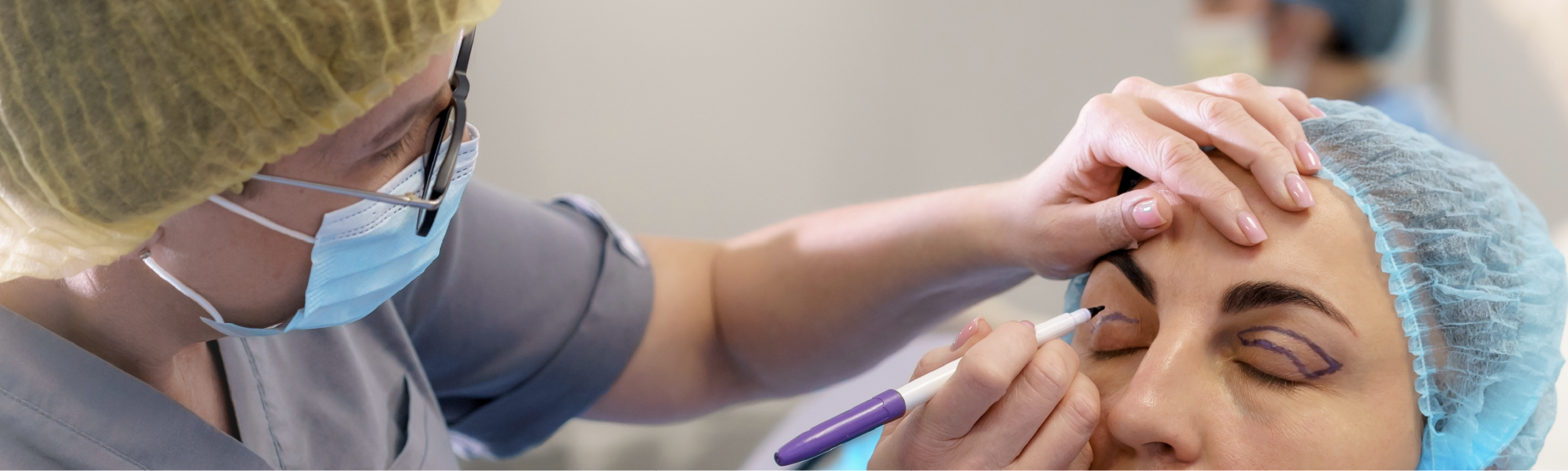
Cosmetic surgery blepharoplasty is chosen by patients who wish to refresh or enhance their appearance.
The most common aesthetic concerns it addresses are the following:
These are the common aesthetic goals of cosmetic surgery for the eyelid:
Cosmetic blepharoplasty does not treat medical issues. The results also vary across individuals depending on anatomy and healing.
This procedure should be approached with realistic expectations. As with all cosmetic procedures, outcomes vary between individuals and cannot be guaranteed.
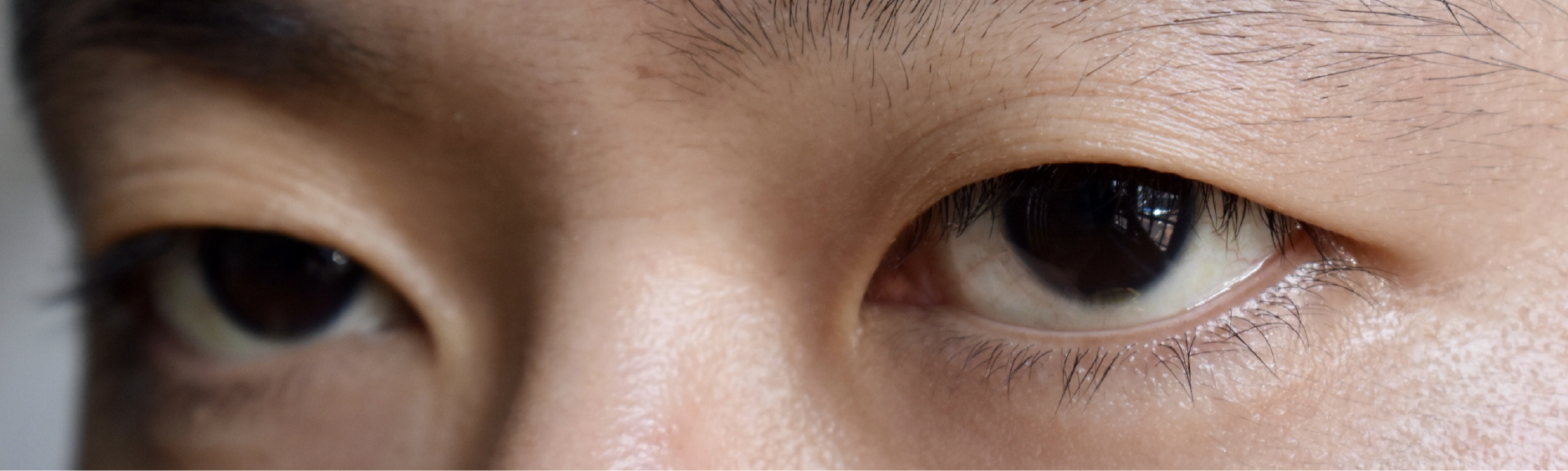
Functional eyelid correction surgery may be recommended when drooping eyelid tissue interferes with daily activities, visual function, or ocular comfort.
Common medical indications that may require this procedure are the following:
A functional blepharoplasty focuses on improving eyelid position, restoring a clearer field of vision, or reducing physical eye strain or discomfort.
Diagnostic assessment ahead of a functional blepharoplasty often includes a visual field test and eyelid margin measurements.
In selected cases, functional blepharoplasty may meet Medisave or insurance claim criteria, depending on the degree of functional impairment and supporting clinical documentation. Eligibility is assessed on a case-by-case basis.

This procedure is commonly performed under local anaesthesia, with or without sedation, depending on patient suitability and comfort.
The duration of the procedure depends on the specific approach used and the number of eyelids being operated on. It often takes 60 to 90 minutes and is generally a day surgery procedure, so patients can go back home on the same day.
The usual recovery timeline for blepharoplasty is as follows:
Mild swelling, bruising, and tightness are typical. Cool compresses can be used as advised to reduce swelling. Head elevation while resting may also help minimise puffiness.
Bruising peaks around 2 to 3 days, then gradually fades. Temporary dryness, tearing, or light sensitivity may occur at this time as well.
Many patients are able to return to work or light activities within several days, depending on recovery progress. If the sutures are non-absorbable, they are usually removed about 1 week after surgery.
Visible swelling continues to subside at this point. The eyelid contour becomes clearer and more defined.
Note that mild asymmetry is common during this phase and improves as healing progresses.
Internal healing continues throughout this time. The scar lines soften and fade gradually and eyelid function normalises as well.
This is when the final crease definition and eyelid shape become apparent. Remember that healing outcomes vary among individuals, however.
Blepharoplasty may be associated with temporary post-surgical effects, including:

Patients should contact their doctor immediately if they experience any of the following:
These symptoms may be indications of a complication or an infection. Early medical assessment helps prevent these from worsening and ensures safe healing.
Individual results for blepharoplasties vary, according to the age and skin type as well as the differences in healing ability among different individuals. Below are the some of the factors that may determine how quickly you recover:

Patients may be able to improve their recovery and healing after blepharoplasty by following these tips:
Understanding the types of blepharoplasties and how or why the procedure is performed can help patients make informed decisions about eyelid correction surgery.
For those who need a medical professional’s insight and assessment, ERS Suntec City offers a comprehensive evaluation, customised treatment planning, and close post-operative monitoring to support patients considering blepharoplasty.
Book an appointment with us to learn more about blepharoplasty and assess your suitability through a personalised consultation.